
Top 10 Advantages of Having a Wine Cellar
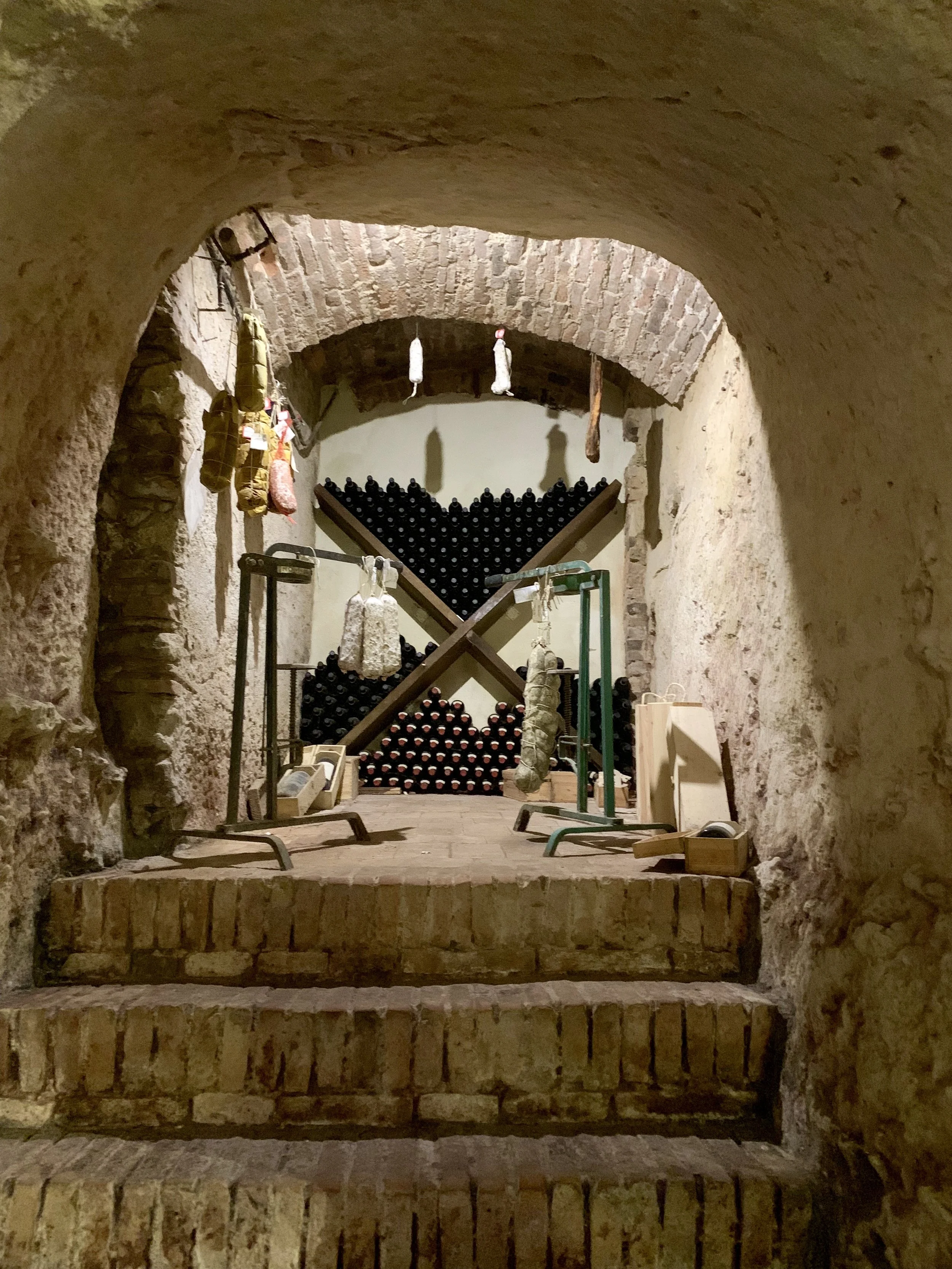
TEMPERATURE: A bottle of fine wine must be stored at the right temperature to ensure optimal preservation. A well built wine cellar has the advantage of maintaining a proper storage temperature between 55-57 degrees Fahrenheit. At the same time, the cellar safeguards the wine from temperature fluctuations. This is very important as large temperature changes causes more oxygen transfer through the corks as temps rise and fall which can cause premature aging and oxidation of the wine.
HUMIDITY: Wine is a very sensitive living product, which must be protected from numerous elements. Humidity is one of them whereas the humidity level in wine cellars must be high enough to protect the cork from drying out (between 65% and 75% ideally), and it must not be too high or you risk developing bacteria and mold.
PROTECTION FROM LIGHT AND VIBRATION: To preserve a wine at its best, protecting it from light is essential. Excess light accelerates oxidation, stripping away freshness and distorting aromas—sometimes so severely that the wine becomes unpleasant or even undrinkable. A properly designed cellar shields bottles from these effects, allowing the wine’s true character to remain intact over time. Likewise, particularly in red wines, vibrations can disturb the sediment contained in the bottle of wine, and alter its quality. A cellar insulated from the “outside world/and appliances of the home” for that matter, will then protect the wine from vibrations (often caused by the washing machine, the metro passing by, or even car traffic near the house).
FLAVOR: There are many organic compounds in wine that are responsible for giving the wine specific flavors. When cellared properly, these compounds continue to change, binding themselves onto other compounds in the wine creating enhanced flavor qualities as the wine ages. A fun wine cellar learning technique is to buy several identical bottles from your favorite winery and see how the flavor and structure is enhanced year to year during cellaring. You will be surprised how the same wine develops even over mere months.
INTEGRATION: At the same time, aging wine properly allows the wine to become more integrated. This means that the acid level, fruit qualities, and tannins become more “one with each other”, soft over time, inspiring, delicate, developed—integrated. Have you ever had a wine that seemed that the “nose” (aromatics) was disconnected with the qualities of the fruit which was disconnected from the mouth feel? Did it seem as though you were tasting 3 different wines from one bottle? This would be a wine that needs more time to be integrated. A wine cellar allows a wine to fully realize what the vineyard grower and winemaker intended providing the stable environment needed for the wine to mature, integrate, and express its true character over time.
BETTER MANAGEMENT OF YOUR WINE: A wine cellar transforms storage into stewardship. By bringing your entire collection together in one carefully organized space, it lets you manage your wines with clarity and intention. Bottles are easy to find, vintages easy to compare, and choices easier to make when the moment calls for a great wine. At a glance, you can see which bottles still have time to develop and which have reached their ideal maturity—so every opening is timely, deliberate, and rewarding. For example, since I live in Oregon, “Pinot Heaven” and have a lot of it, I organize my Pinot Noir by vintage rather than by winery or AVA (vineyard growing regions). I find that the vintage, for the most part, has a greater influence on the finished wine than even the winemaker (especially when we’re considering high quality vineyards and winemakers). The rest of my cellar is similarly organized by wine grape varietals, local and world wine regions, and finally by vintage for each catagory mentioned.
BEAUTY, DESIGN, AND VALUE: Furthermore, a wine cellar is more than storage—it is a design statement. Thoughtfully integrated into a home, it becomes an architectural feature that adds character, elegance, and a sense of craftsmanship to a space. Whether modern and minimalist or warm and traditional, a beautifully designed wine cellar elevates the atmosphere of a room while showcasing a lifestyle centered on quality, enjoyment, and community. Beyond its visual appeal, it also adds tangible value to your home, transforming wine storage into an investment in both daily living and long-term property worth.
BUY SMART, AGE WELL: Great wine rewards patience. Younger bottles are far more affordable, and with proper cellaring, their quality—and value—only improves over time. A home wine cellar lets you play the long game: select promising vintages, store them carefully, and allow time to work its magic. Years later, you’ll open (or own) a bottle worth far more than you paid—proof that good taste can also be a wise investment. While on a recent road trip vacation, my wife and I took several special bottles with us and on one perfect occasion opened a vintage sparkling Brut Rose from Soter vineyards that we had cellared for 15 years. We were completely blown away by its development, stellar quality, and the experience. The next day we thought back and were astonished that this was a mere $32 bottle at the time of purchase compared to its current price of $170.
COMMUNITY: I’ll be honest, my wine cellar brings smiles to everyone who enters it. Some of you reading this are smiling right now. And even more than smiles, a wine cellar helps develop community. It becomes a place of warmth, sharing, and celebration, as wine naturally brings people together. In a world that needs more connection, gathering with friends around a good meal and a beautiful bottle deepens relationships and strengthens community. Epicurious, a Greek philosopher, once said that “We should look for someone to eat and drink with before looking for something to eat and drink.” 341-270 BC.
BECOME YOUR OWN SOMMELIER. A home cellar is more than storage; it’s an education. As your collection grows—often with rare and special bottles—so does your knowledge. You’ll learn more about the myriad of grape varieties, winemaking traditions, and the stories behind the labels. Read, taste, explore, and borrow inspiration from how world-class wineries create and age their wines. Before long, you’ll inherently know when each bottle is reaching its prime-when it’s time to open, enjoy, and share.
